Surrounded by the rolling hills and forests of Lower Silesia, Wałbrzych is a city where history is woven into every landscape. Majestic castle towers overlook former mining districts, historic streets tell stories of changing fortunes, and impressive industrial buildings have found new life as cultural attractions. It is a place where Poland's industrial heritage and architectural treasures exist side by side, offering visitors an experience unlike anywhere else in the country.
Many travellers first arrive in Wałbrzych to visit the spectacular Książ Castle, one of Poland's largest and most beautiful castles. Yet beyond its grand halls lies another story, one that shaped generations of local families and helped power the country's industrial growth for centuries. Coal mining was once the heartbeat of Wałbrzych, influencing everything from its economy and neighbourhoods to its traditions and identity.
Today, the city is embracing both chapters of its past. Former collieries have become award-winning museums, historic landmarks are welcoming new audiences, and investment is helping to build a modern future while preserving the stories that made Wałbrzych what it is today.
Whether you are planning a weekend in Lower Silesia or looking to discover one of Poland's most compelling heritage destinations, Wałbrzych offers far more than many visitors expect.
Wałbrzych's Coal Mining Heritage
Long before tourists explored castle terraces or woodland walking trails, the hills beneath Wałbrzych concealed one of Lower Silesia's richest coal deposits. For centuries, miners descended deep underground before dawn, creating an industry that would shape almost every aspect of life above ground.
Mining in the area can be traced back to the 14th century, when silver and lead were extracted from the surrounding hills. Coal first appeared in written records in 1536, marking the beginning of an industry that would transform Wałbrzych into one of the region's most important industrial centres.
By the late 18th century, coal had become the city's economic foundation. Historical records show that at least eighteen underground mines were operating by 1767, while the first coke plant opened in 1776 to support the rapidly expanding industrial economy.
The Industrial Revolution accelerated Wałbrzych's growth.
Around 1800, approximately fifty mining pits employed more than a thousand workers. As demand for coal increased and railway connections expanded, the city flourished. Mining companies invested in new infrastructure, residential districts grew around the collieries, and generations of local families found stable employment underground.
At its peak, coal mining and related industries provided work for around one-third of Wałbrzych's population. The industry shaped not only the local economy but also the city's character, traditions and strong sense of community.
Even today, reminders of this heritage remain visible across the city. Former pithead structures, workers' housing and preserved industrial buildings continue to tell the story of a community built on hard work and resilience.
How Wałbrzych Reinvented Itself After Mining
Like many industrial cities across Europe, Wałbrzych faced enormous change following the political and economic transformation that began in Poland after 1989.
As the country embraced a market economy, coal production became increasingly unprofitable because of rising operating costs and changing market conditions. Between 1995 and 1996, the city's remaining mines closed, ending more than four centuries of continuous coal extraction.
The impact was immediate.
Around 14,000 mining jobs disappeared, unemployment rose to almost 40 per cent, and many local families faced an uncertain future. Businesses that depended on the mining industry also struggled, creating one of the most challenging periods in Wałbrzych's modern history.
Yet the city refused to stand still.
Over the following decades, Wałbrzych gradually diversified its economy through manufacturing, ceramics, automotive industries, logistics, technology and environmental investment. New businesses arrived, infrastructure improved and regeneration projects helped restore confidence.
Today, Wałbrzych presents a very different picture. While its industrial past remains an important part of its identity, the city has successfully created new opportunities without losing sight of its heritage.
Visit the Old Mine Science and Art Centre
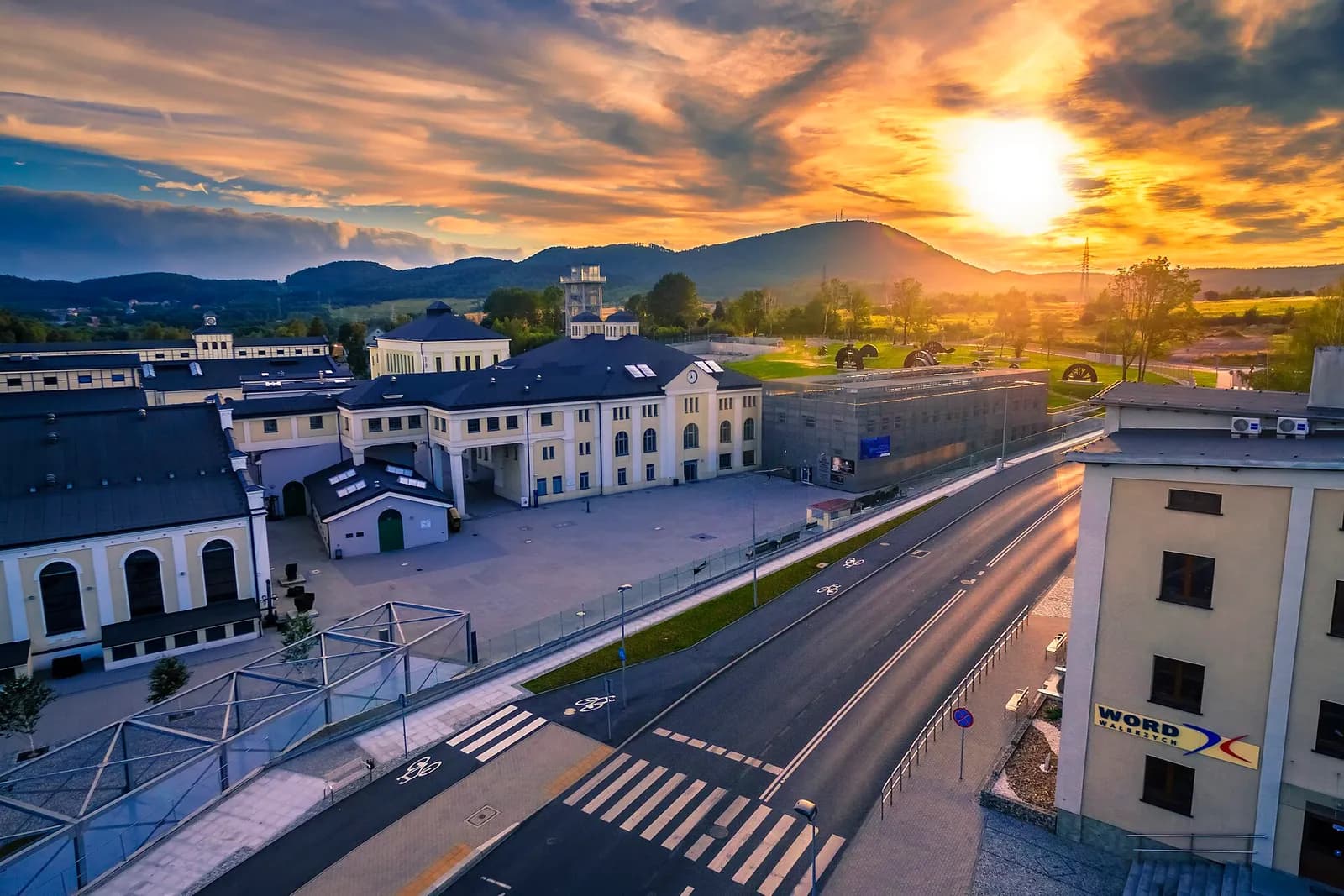
Perhaps nowhere demonstrates Wałbrzych's transformation more clearly than the Old Mine Science and Art Centre.
Standing among preserved brick buildings, winding towers and historic industrial machinery, it is easy to imagine the sounds that once filled this vast mining complex. Generations of miners began their shifts here before descending hundreds of metres underground to extract the coal that fuelled factories and homes across the region.
The former Julia Coal Mine closed in 1996.
Rather than allowing the site to disappear, the city transformed it into one of Poland's finest examples of industrial heritage regeneration.
Today, visitors can explore original engine rooms, workshops, changing facilities and mining equipment while learning about the daily lives of the people who worked here. Guided tours bring the history of Wałbrzych's coal industry to life, while exhibitions explain both the technological achievements and the human stories behind the city's mining success.
The centre also hosts concerts, exhibitions, workshops and cultural events throughout the year, ensuring the site remains a vibrant part of community life rather than simply a museum preserving the past.
It is a powerful example of how industrial heritage can continue to serve future generations.
Explore Książ Castle, Wałbrzych's Greatest Landmark
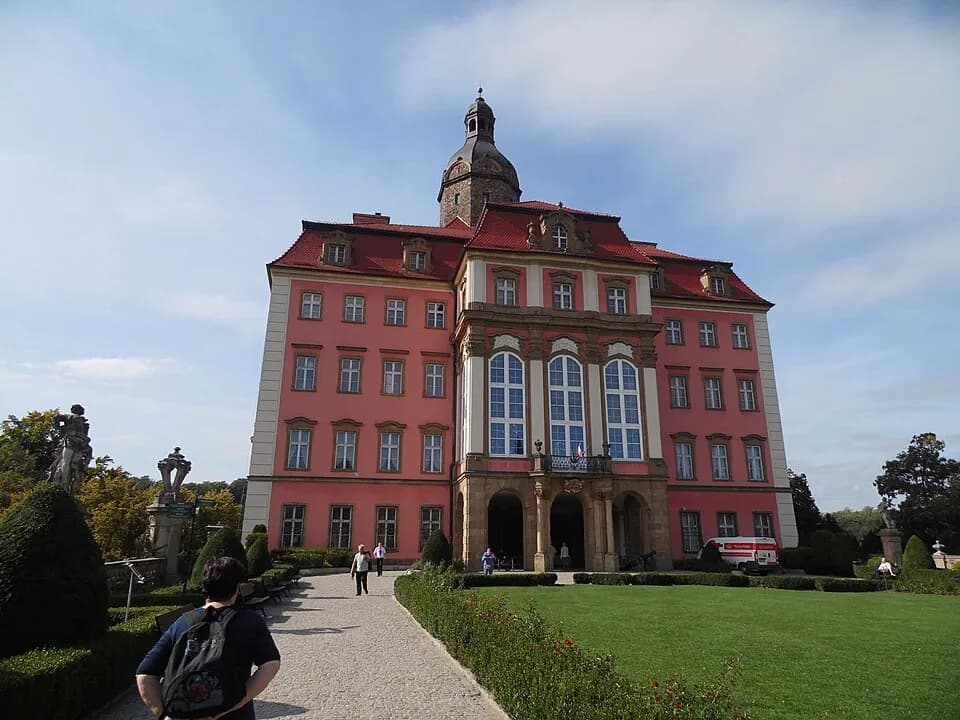
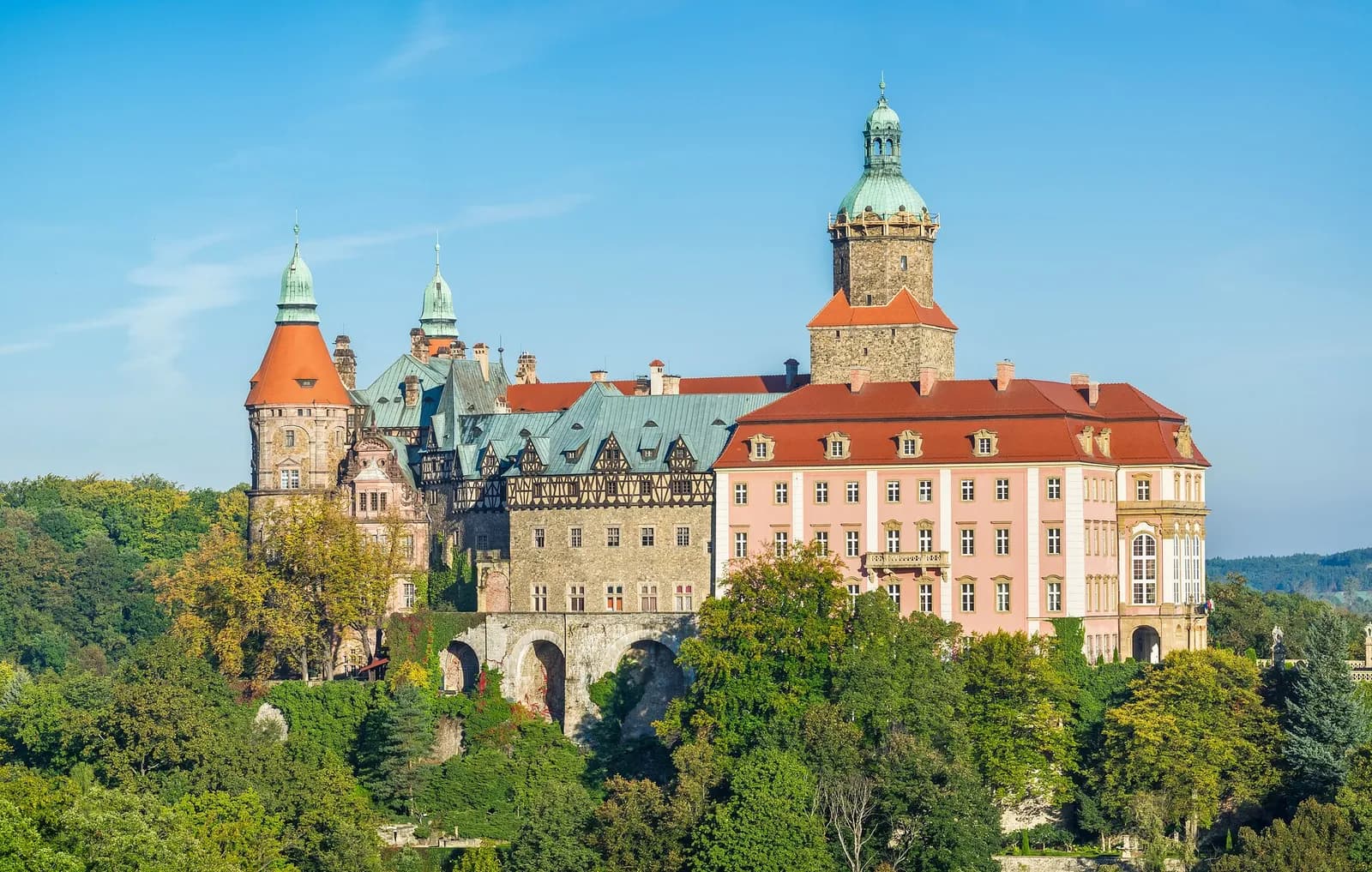
Rising dramatically above the wooded Pełcznica Valley, Książ Castle dominates the landscape long before visitors reach its gates. Surrounded by forests and landscaped terraces, it is one of the most recognisable landmarks in Lower Silesia and one of Poland's most impressive historic residences.
Construction began in the late 13th century under Duke Bolko I the Strict.
Over the centuries, successive owners expanded and transformed the castle, blending Gothic origins with Renaissance, Baroque and later architectural styles. Today, with more than 400 rooms, Książ is recognised as Poland's third-largest castle and remains one of the country's most visited historic attractions.
Among its most famous residents was Princess Daisy von Pless, whose life, philanthropy and international connections continue to fascinate visitors. Her story has become closely intertwined with the identity of Książ Castle, adding a personal dimension to its rich architectural history.
The Second World War brought another dramatic chapter.
During the Nazi occupation, extensive underground tunnels were excavated beneath the castle as part of the mysterious Project Riese. Although historians continue to study the purpose of the complex, the tunnels remain one of the region's most intriguing historical sites.
Today, visitors can tour beautifully restored interiors, panoramic terraces, underground passages and surrounding parkland. Throughout the year, the castle also hosts seasonal events, flower festivals, exhibitions and family activities, making it a highlight of any visit to Lower Silesia.
More Historic Places to Visit Around Wałbrzych
Although Książ Castle is undoubtedly the city's best-known attraction, Wałbrzych offers plenty more to discover.
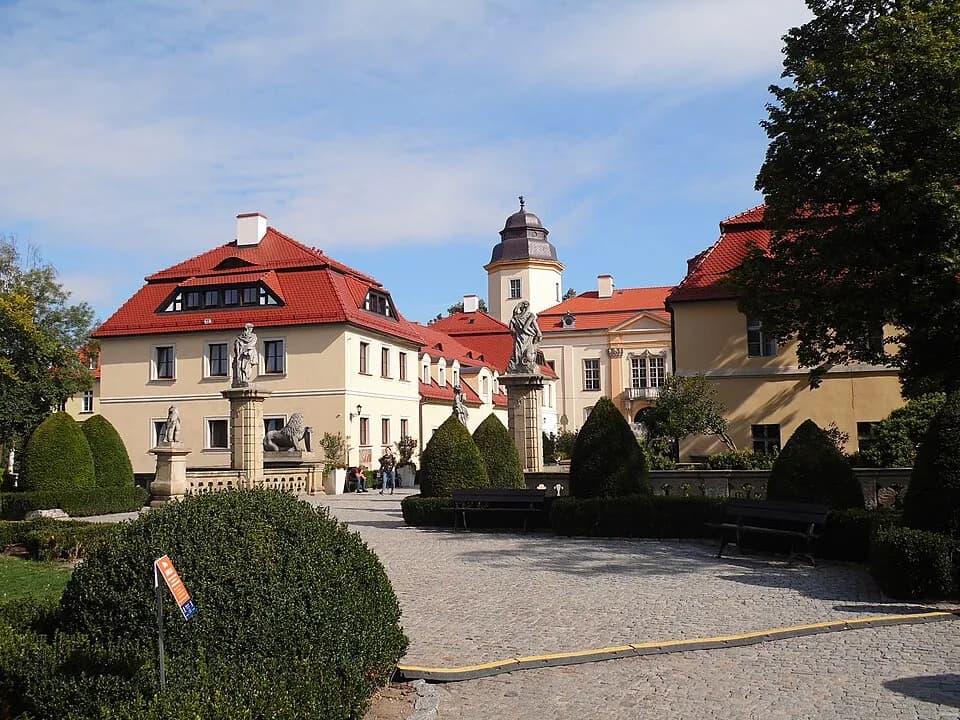
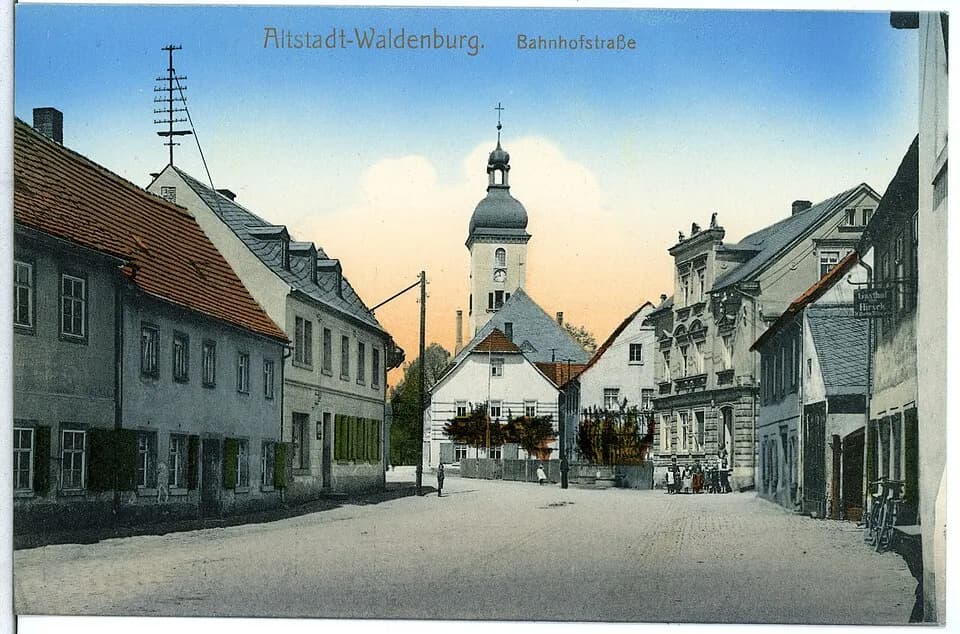
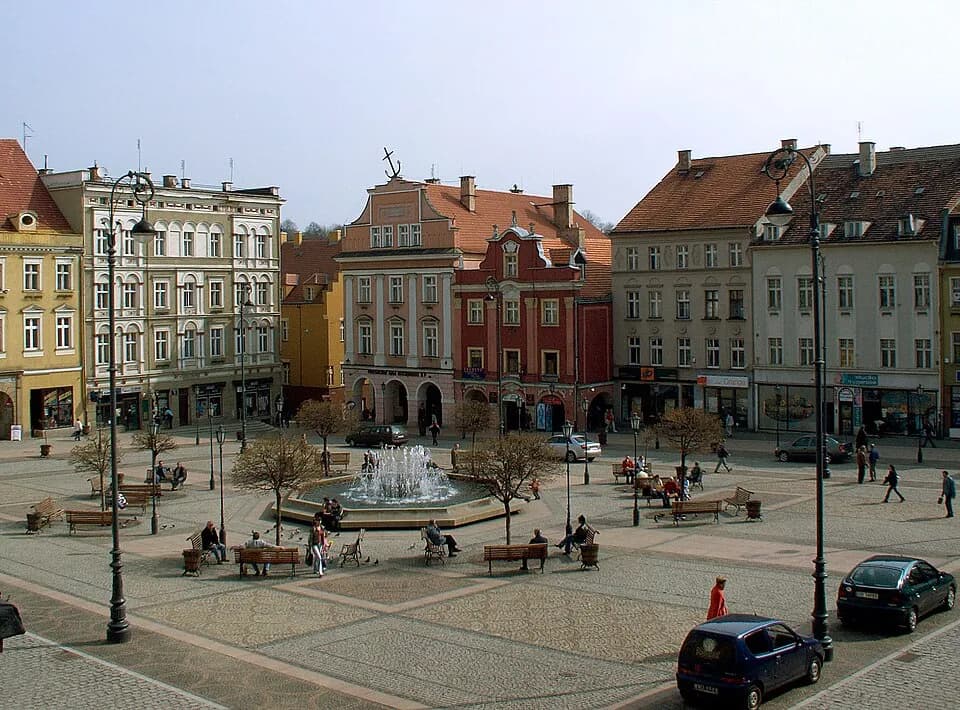
The historic centre reflects centuries of changing architecture, while attractive parks, cafés and cultural venues reveal a city confidently looking towards the future.
Beyond the city, visitors can easily explore the UNESCO-listed Peace Churches in Świdnica and Jawor, remarkable examples of timber-framed religious architecture that highlight the region's diverse cultural heritage.
The surrounding Sudetes also provide excellent opportunities for walking, cycling and outdoor recreation, while nearby viewpoints offer spectacular panoramas across Lower Silesia's forests and mountains.
Together, these attractions make Wałbrzych an ideal base for a longer stay, combining history, culture and nature within easy reach.
Why Wałbrzych Is Worth Visiting Today
Wałbrzych's greatest strength lies in its authenticity.
Rather than hiding its industrial past, the city has embraced it. Former collieries now educate visitors instead of employing miners, historic buildings have found new purpose, and local museums ensure that the experiences of earlier generations are never forgotten.
At the same time, Książ Castle continues to attract visitors from around the world, while cultural events, new investment and growing tourism are helping to write the next chapter in Wałbrzych's story.
For anyone exploring Lower Silesia, Wałbrzych offers far more than a single landmark. It is a city where medieval castles, industrial heritage, beautiful landscapes and resilient communities come together to create one of Poland's most rewarding destinations.
Its story is ultimately one of resilience, reinvention and pride. By preserving both its coal-mining heritage and its architectural treasures, Wałbrzych demonstrates that understanding the past is one of the best ways to appreciate the future.