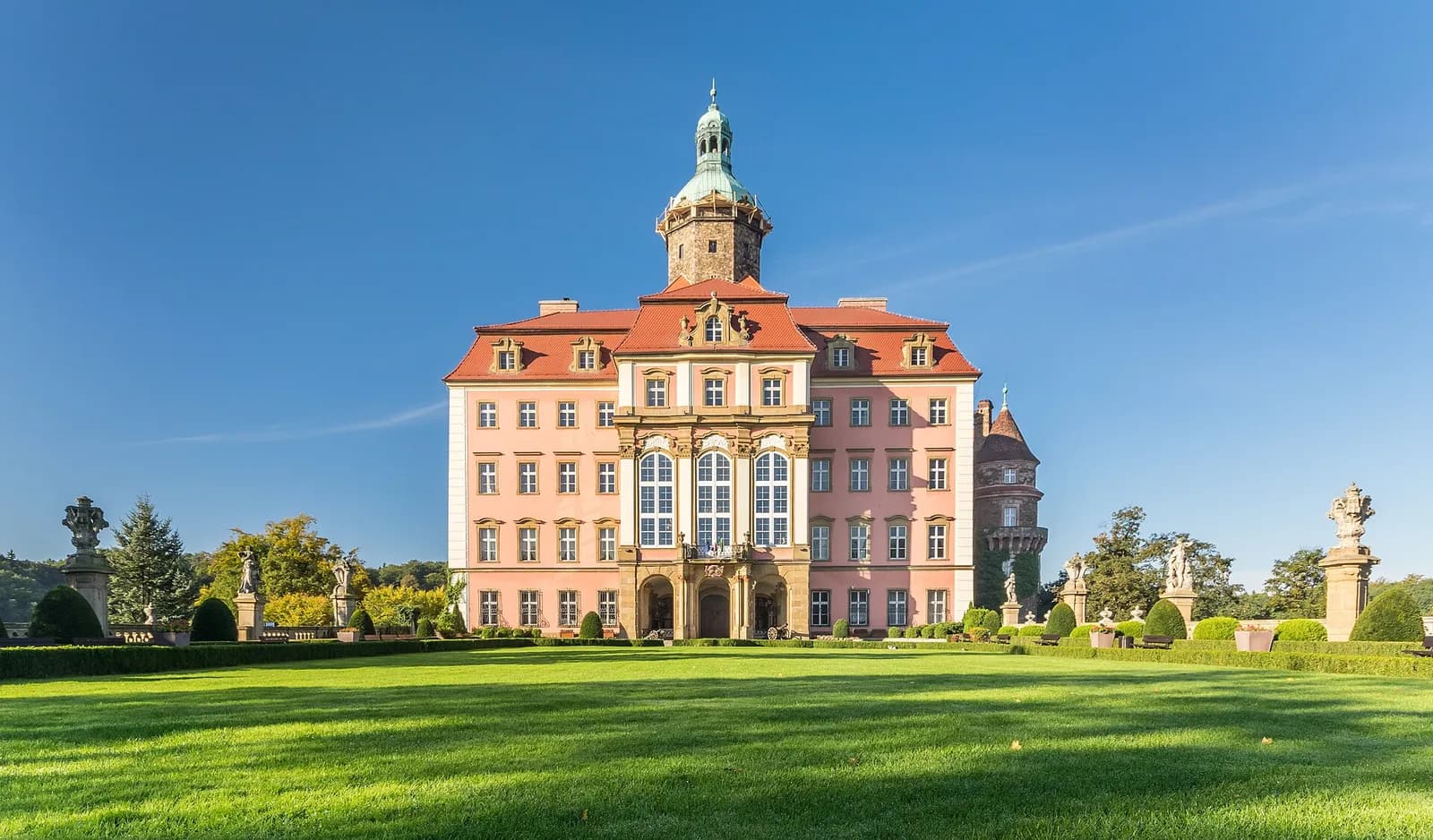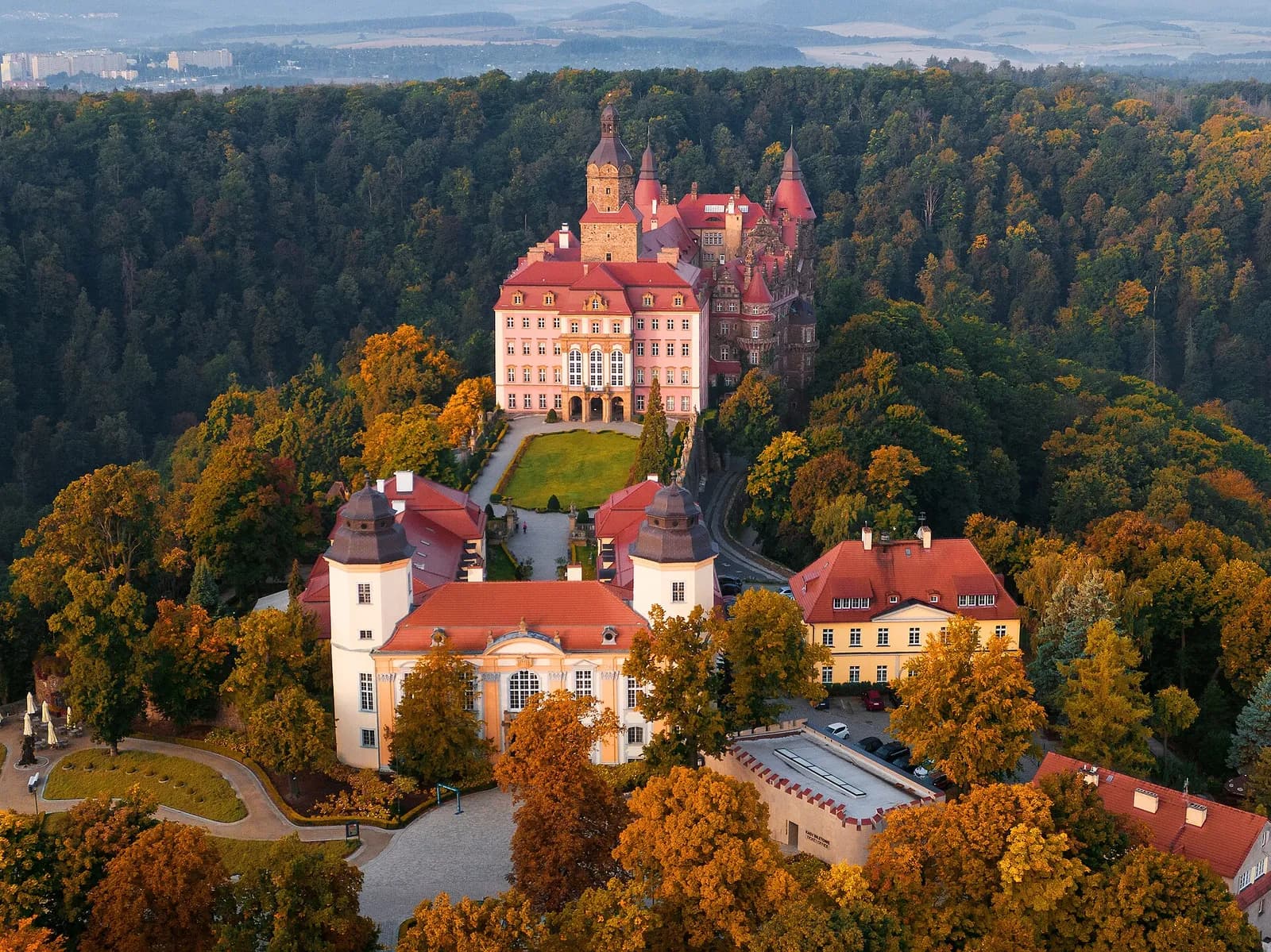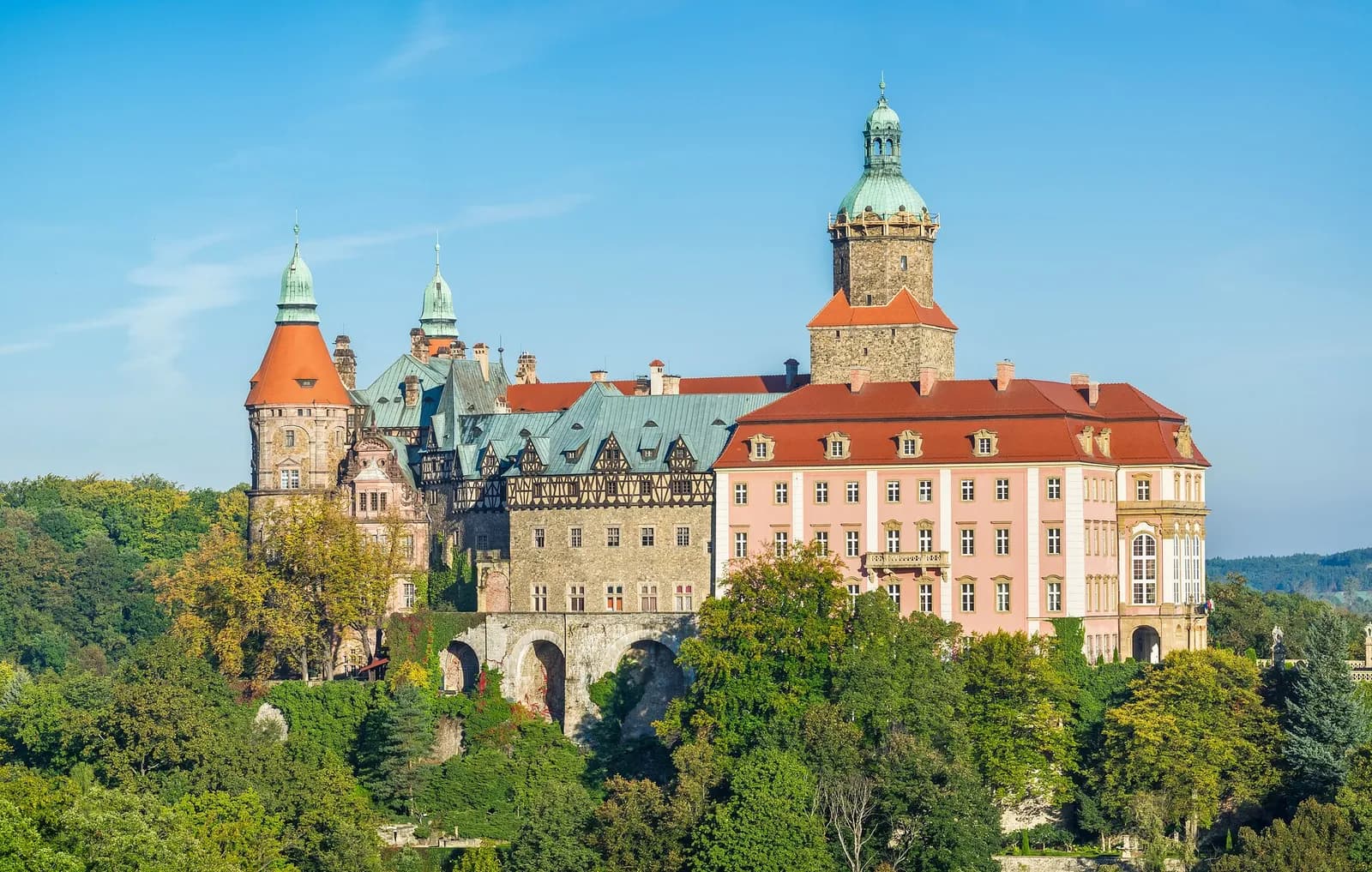
Perched high above the wooded Pełcznica Gorge, Zamek Książ has watched over Wałbrzych for more than seven centuries. As the third-largest castle in Poland and the largest in Lower Silesia, it has become far more than a local landmark. It is a symbol of the region's rich heritage, a reminder of its complex past and one of the country's most visited historic attractions.
From medieval dukes and Prussian aristocracy to wartime occupation and modern restoration, every corner of the castle tells a different chapter in the story of Lower Silesia.
A Castle Born in the Middle Ages
Construction of Książ Castle began between 1288 and 1292 under Duke Bolko I the Strict of Świdnica-Jawor. Built to protect important trade routes linking Silesia and Bohemia, its commanding hilltop position provided both security and spectacular views across the surrounding forests.
Originally known by its German name, Fürstenstein, the fortress became one of the region's key defensive strongholds before gradually evolving into an elegant noble residence over the centuries.
The Hochberg Family Legacy
The greatest transformation came after the powerful Hochberg family took ownership in the early sixteenth century. Over the next four hundred years, successive generations expanded and remodelled the castle, blending Gothic foundations with Renaissance, Baroque and later Neo-Renaissance influences.
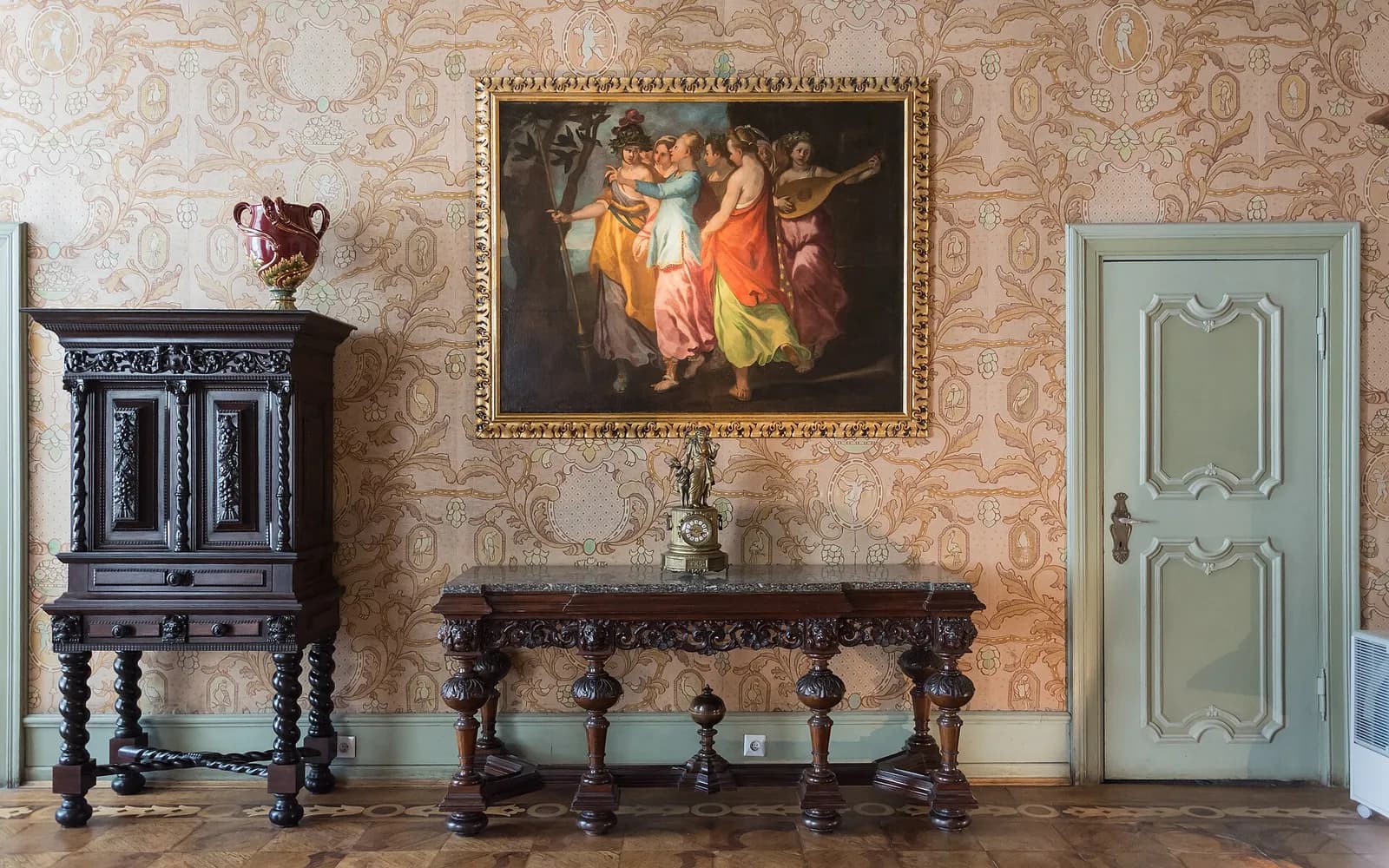
Visitors today can still admire magnificent ceremonial halls, richly decorated salons, grand staircases and the impressive Honour Courtyard, all reflecting the wealth and influence of one of Prussia's most prominent aristocratic families.
Outside, beautifully restored terraces overlook the surrounding woodland, creating one of the most recognisable views in Lower Silesia.
Princess Daisy's Lasting Influence
Few figures are as closely associated with Książ as Princess Daisy von Pless, born Mary Theresa Olivia Cornwallis-West in England. After marrying Hans Heinrich XV in 1891, she became one of Europe's best-known aristocrats.
Beyond the glamour of court life, Princess Daisy devoted herself to charitable causes, supporting hospitals, education and children's welfare. During the First World War she also served as a nurse, earning admiration for her humanitarian work.
Today, exhibitions dedicated to Princess Daisy allow visitors to discover both her remarkable life and her enduring connection to Wałbrzych.
War, Occupation and the Underground Tunnels
The Second World War marked one of the darkest periods in the castle's history. In 1944, Nazi Germany seized Książ and incorporated it into the vast underground construction programme known as Project Riese.
Large sections of the castle's historic interiors were dismantled while extensive tunnels were excavated beneath the complex. The work was carried out by forced labourers and prisoners from the Gross-Rosen concentration camp under brutal conditions.
Although historians continue to study the site, the intended purpose of the underground complex remains uncertain. Various theories have suggested it may have been planned as a military headquarters, a command centre or secure infrastructure, but no definitive evidence has confirmed any single explanation.
Today, guided underground tours provide visitors with an opportunity to explore this important part of the castle's wartime history while remembering those who suffered during its construction.
Architecture Through the Centuries
One of Książ Castle's greatest attractions is its remarkable mix of architectural styles. Rather than representing a single period, the castle reflects centuries of continuous development.
Highlights include:
- Medieval defensive towers
- Elegant Baroque façades
- Neo-Renaissance additions
- The impressive Maximilian Hall
- Historic reception rooms
- Ornamental terraces overlooking the surrounding landscape
Together, these features create one of the most distinctive castle complexes in Central Europe.
Gardens, Woodland and the Palm House
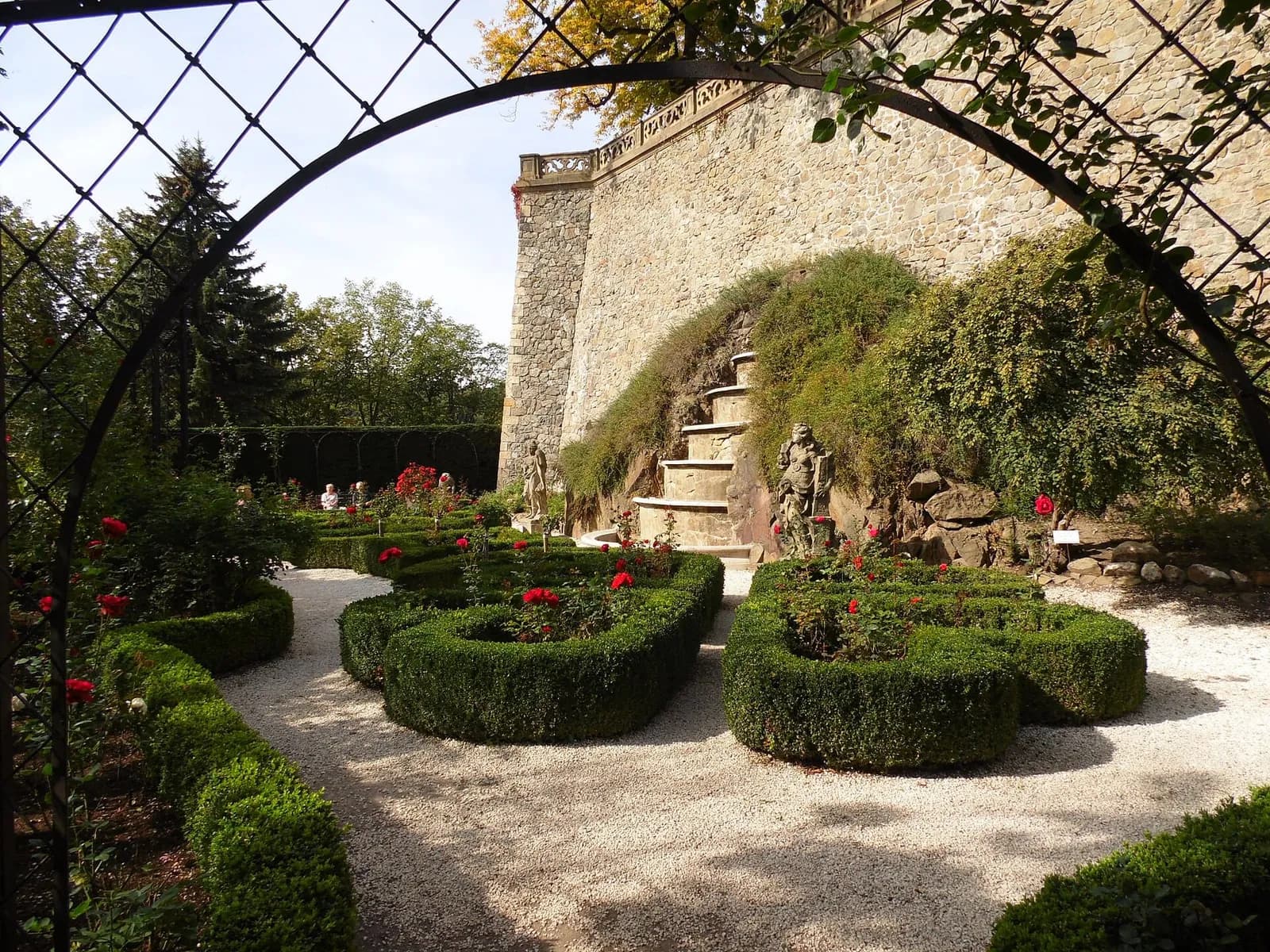
The castle stands within the picturesque Książ Landscape Park, where woodland trails, dramatic ravines and formal gardens provide plenty to explore beyond the main buildings.
A short distance away, the historic Palm House offers another glimpse into the estate's past. Originally created for Princess Daisy, it is home to hundreds of exotic plants, tropical species and elegant Victorian-inspired glasshouse architecture.
Together, the castle and Palm House make for one of Lower Silesia's most rewarding day trips.
A Living Landmark for Wałbrzych
Today, Zamek Książ welcomes hundreds of thousands of visitors each year, hosting exhibitions, concerts, festivals, educational programmes and cultural events alongside its regular guided tours.
Its significance extends well beyond tourism. The castle represents the many layers of Wałbrzych's history, from medieval Poland and Prussian rule to the tragedies of the Second World War and the city's continued regeneration.
image credit: Jar.ciurus, CC BY-SA 3.0 pl / Lukasz Malkiewicz, CC BY-SA 4.0 / Jacek Halicki, CC BY 3.0 / Antekbojar, Public Domain